




- This event has passed.
African Youth Leading Climate Justice at ACS2: “Grants, Not Loans”
September 6, 2025 - September 11, 2025
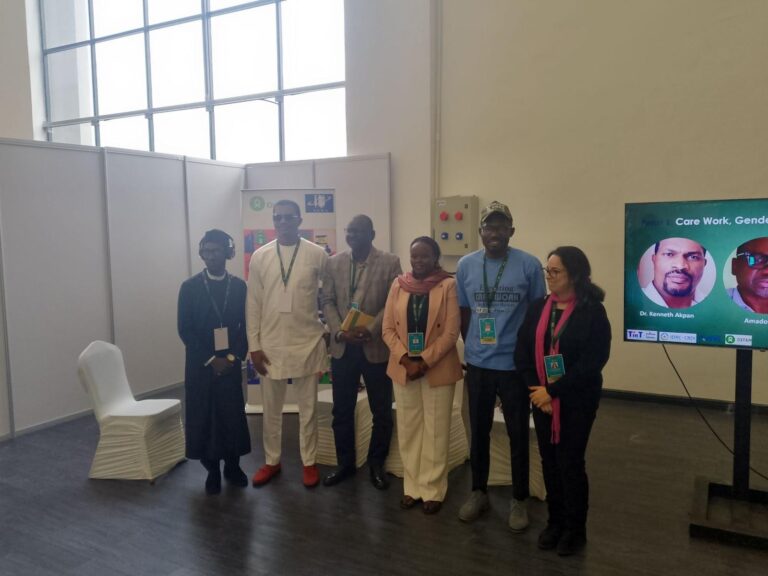
At the Africa Climate Summit 2 (ACS2) in Addis Ababa, young Africans made their stance unmistakably clear: climate justice for the continent must be rooted in equity, gender inclusion, and fair financing.
Held from September 6–11, 2025, the summit brought together policymakers, civil society leaders, and hundreds of youth delegates. From the onset, one demand echoed across the halls: “Africa is not a victim—it is a leader with solutions.”
Among the highlights was the Youth Statement Declaration, which demanded that governments move beyond token representation and formally integrate young people into decision-making processes. Delegates also emphasized the urgency of scaling renewable energy to 20% by 2030 and called for tax exemptions on solar products to democratize clean energy access.
Discussions on carbon credits and nature-based solutions also took center stage, with youth cautioning against exploitative models and urging for Africa-designed frameworks that serve communities first.
For women, ACS2 underscored the role of feminist leadership. The African Feminist Women Programme championed clean cooking technologies, gender-responsive climate policies, and just transition pathways that put women at the heart of solutions.
“The message from African youth is simple but powerful,” said Ojuoluwa Tobiloba Opeyemi, a Nigerian delegate and Climate Justice Youth Ambassador. “Climate financing should come as grants, not loans. We refuse to inherit debt in the name of climate solutions.”
As the summit closed, it became clear that ACS2 was more than another diplomatic gathering—it was a rallying cry. Governments, donors, and youth themselves now face a shared responsibility: to turn declarations into real, localized impact.
Call to Action: With climate change intensifying across Africa, stakeholders must rise to the moment. Governments should institutionalize youth participation in national climate councils, donors must shift financing toward grants, and civil society must sustain cross-border collaborations.
The time for Africa’s climate justice is not tomorrow—it is now.